Week 5
Culture
Soci—269
Response Memo Deadline
Your final response memo—which has to be between 250-400 words and posted on our Moodle Discussion Board—is due by 8:00 PM tonight.
How would you define culture?
How would you define cultural socialization?
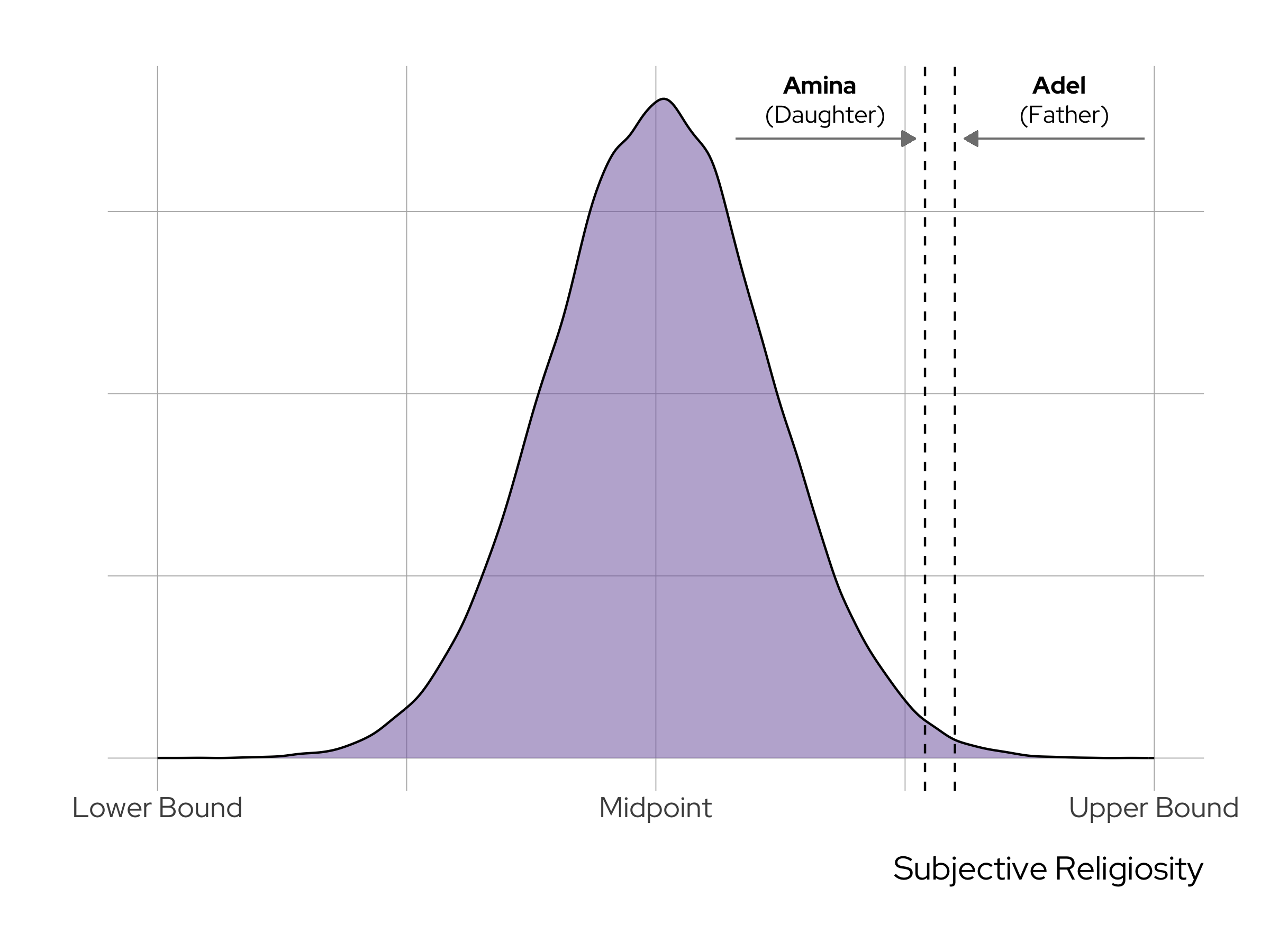
Brady, Luft, and Zuckerman Sivan (2025) argue that cultural explanations in sociology should satisfy two basic principles—portability and convertibility—to avoid the pitfalls of group essentialism.
What are they referring to? Discuss in groups of 2-3.
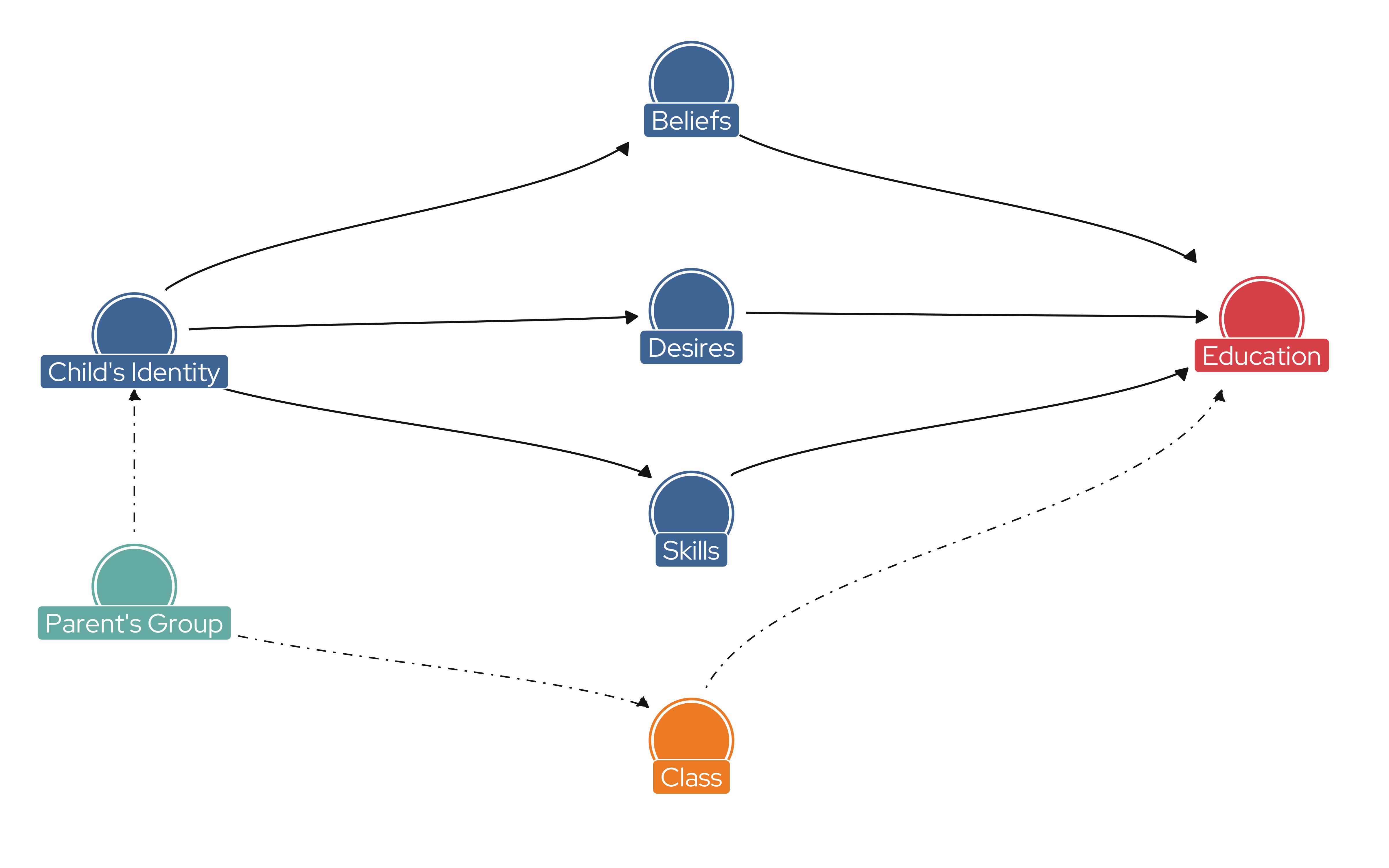
Adaptation of Figure 1 (Panel C) in Brady et al. (2025). Click to expand.
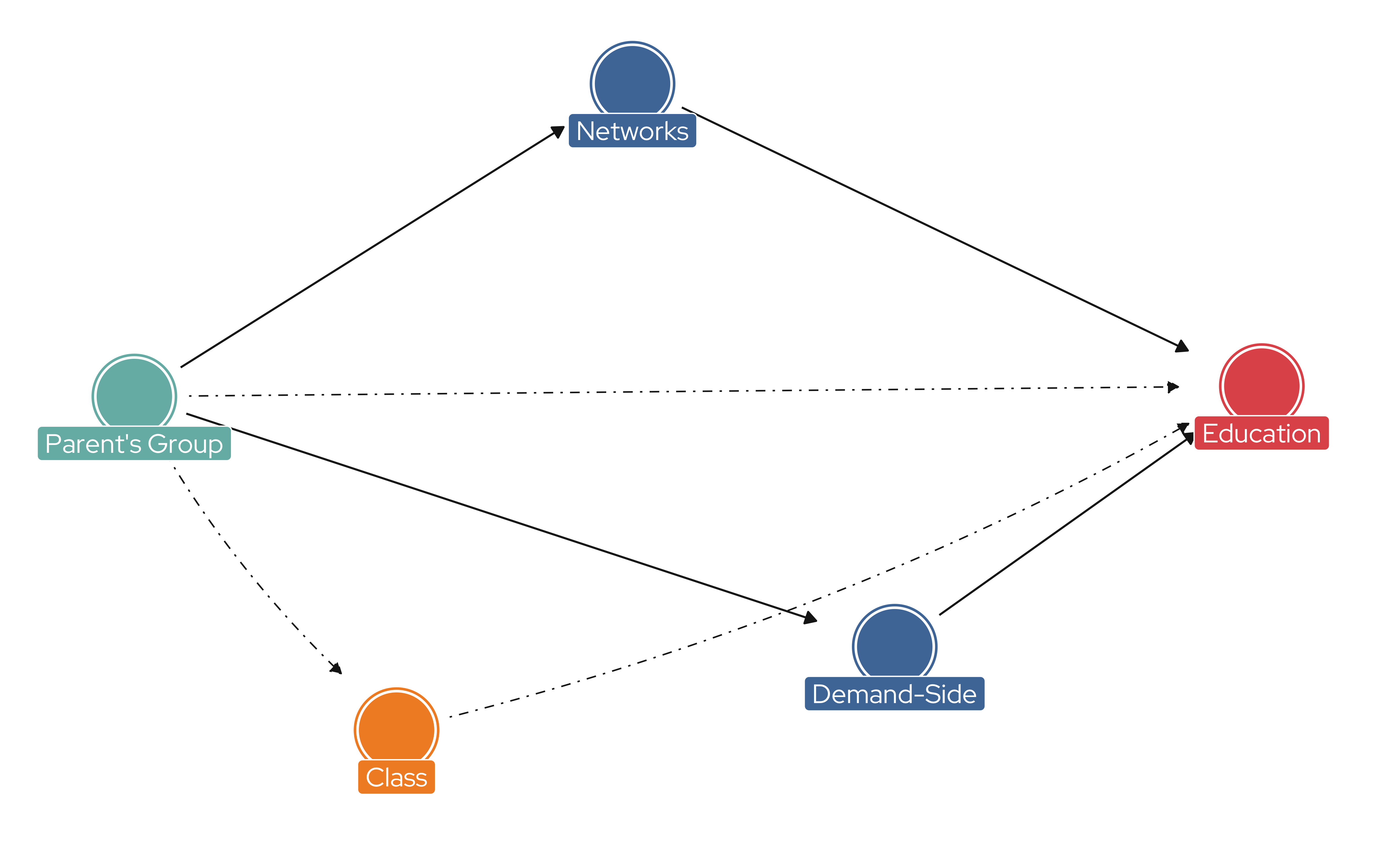
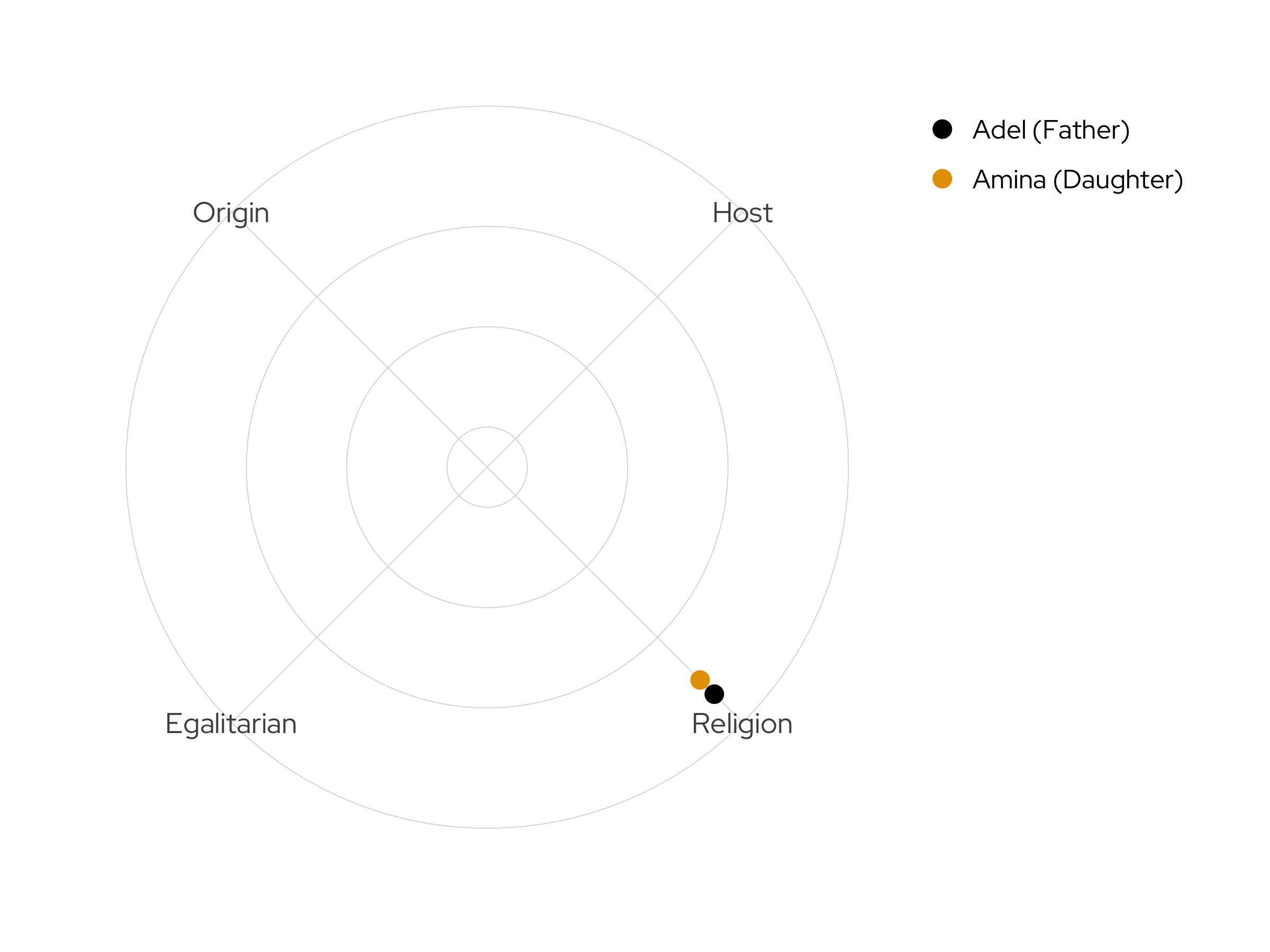
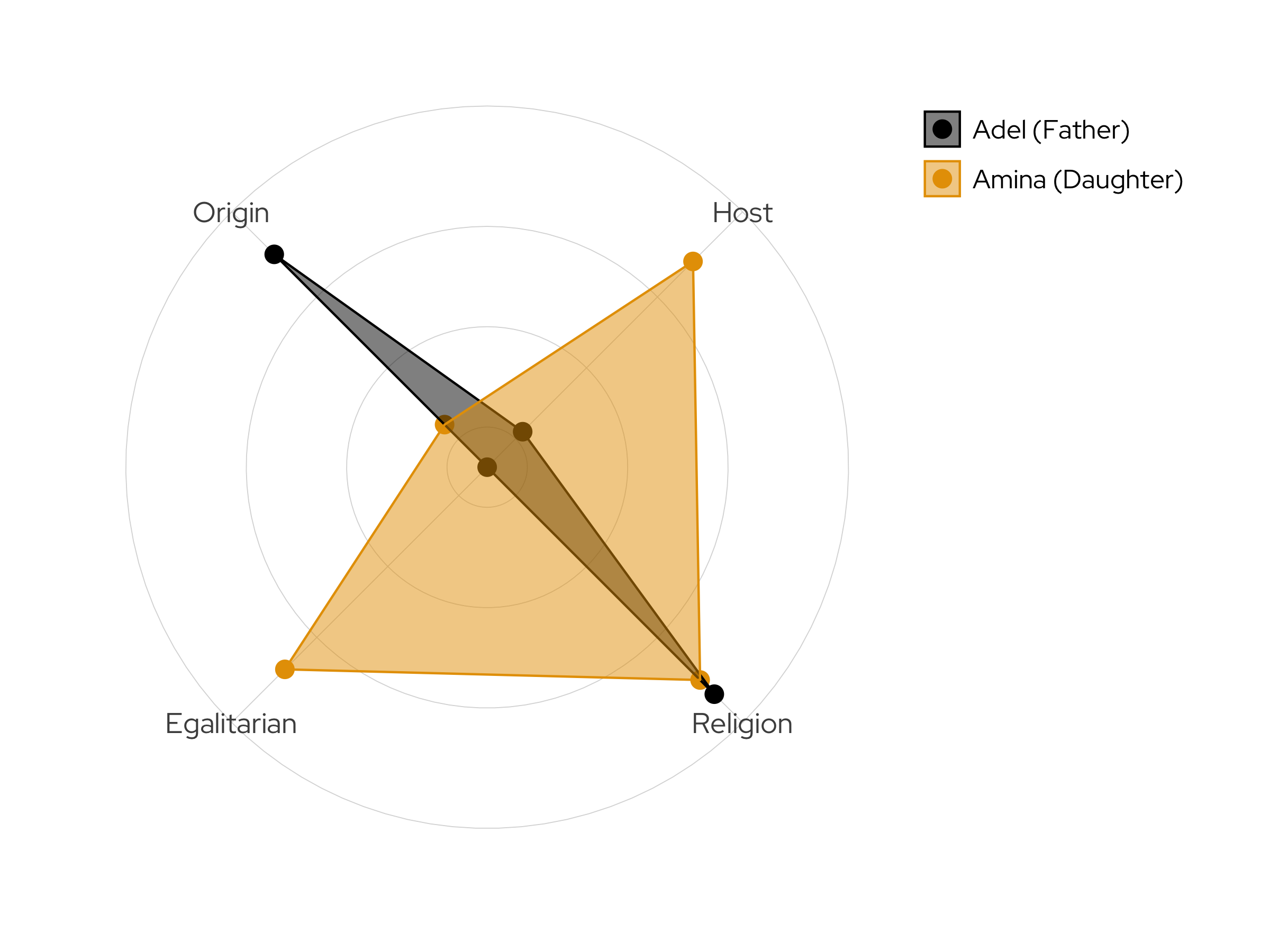
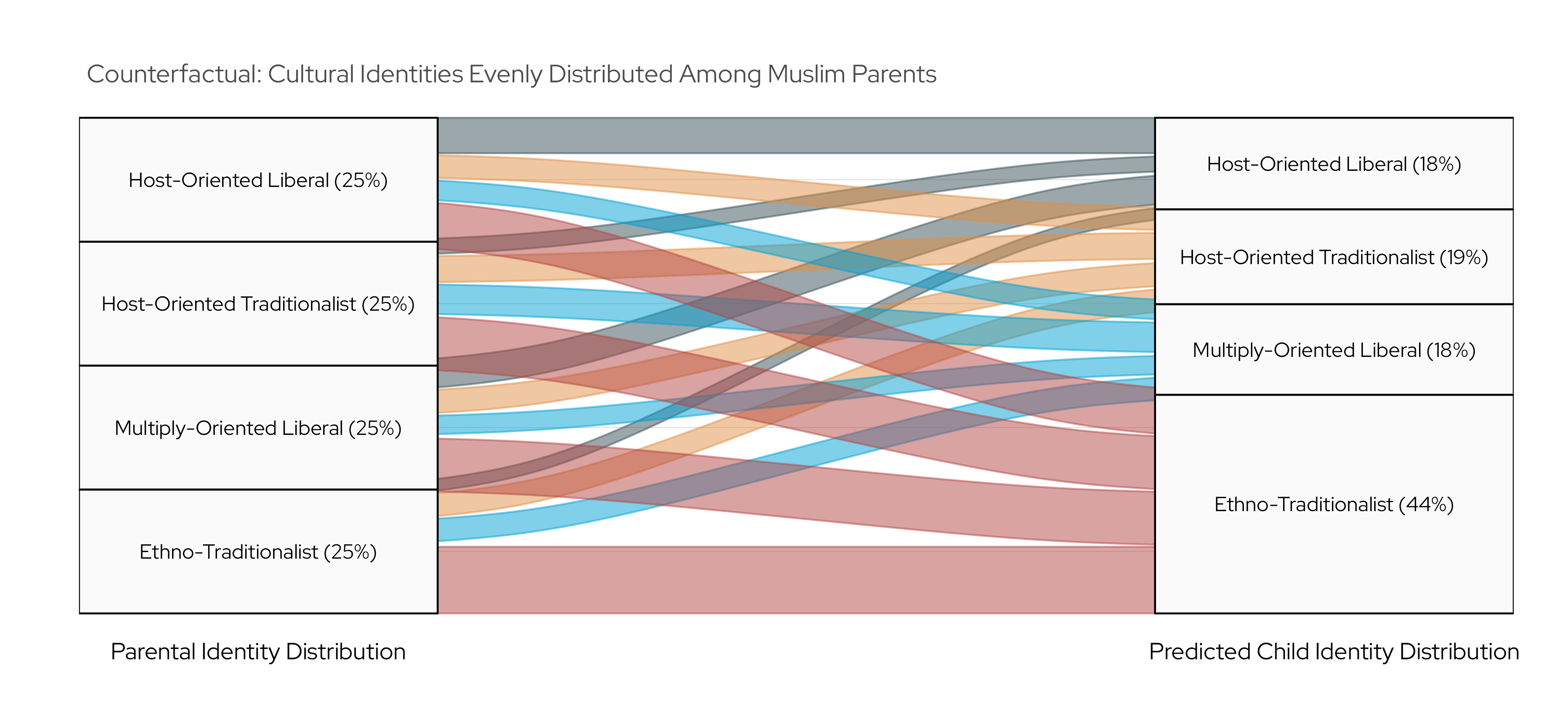
Adaptation of Figure 1 (Panel D) in Brady et al. (2025). Click to expand.
My paper (see Karim 2024) is, in a sense, engaging with “debates” related to the cultural incorporation of Muslims in Europe.
In the case of Muslim immigrants in Europe, the causal arrow follows a Weberian trajectory from culture and religious affiliation to relational and socioeconomic outcomes. Parental influences aiming at cultural maintenance and discrimination from natives are the two sides of the predicament faced by the second-generation Muslim youths.
(Drouhot and Nee 2019:188–89, EMPHASIS ADDED)
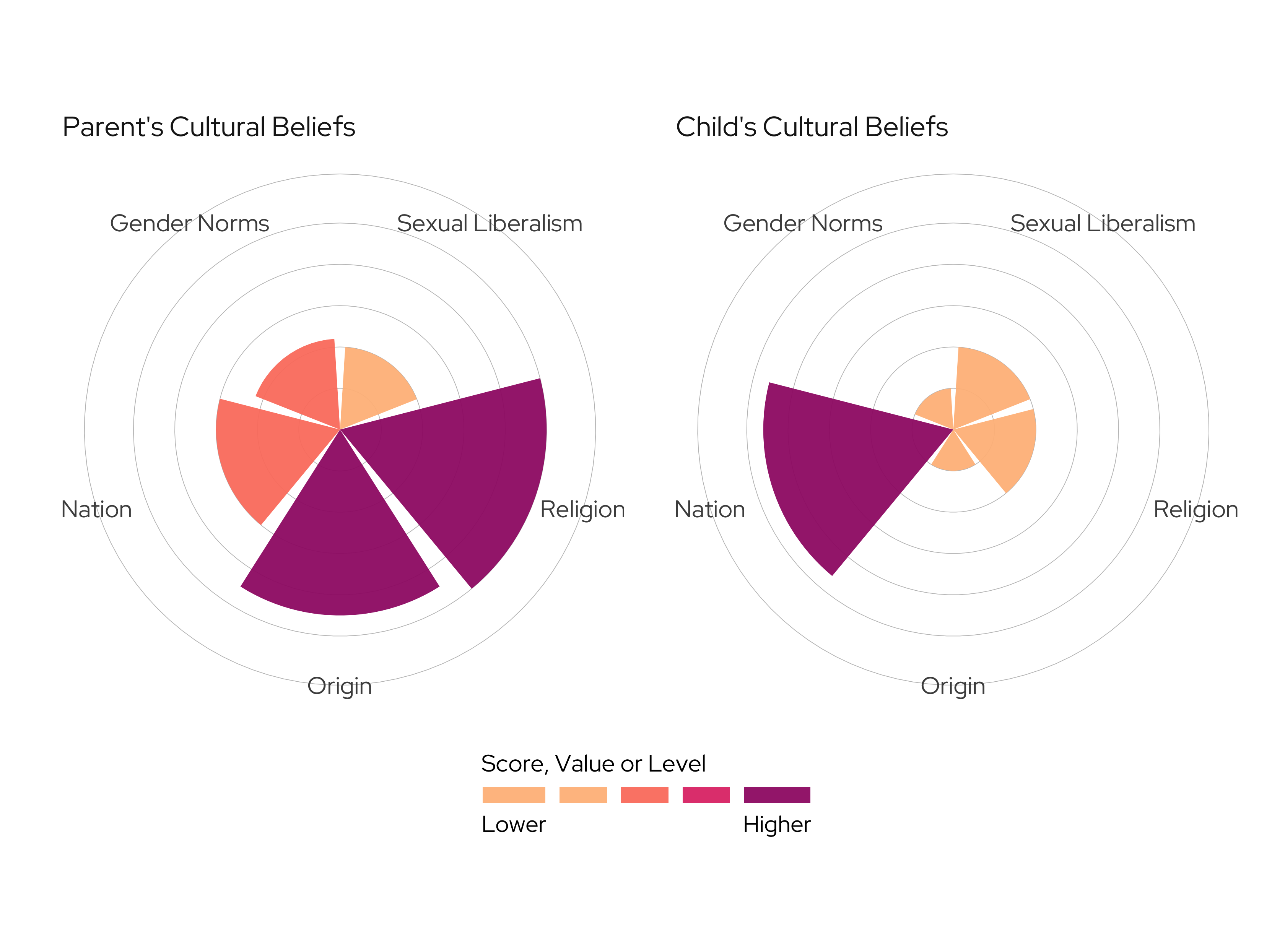
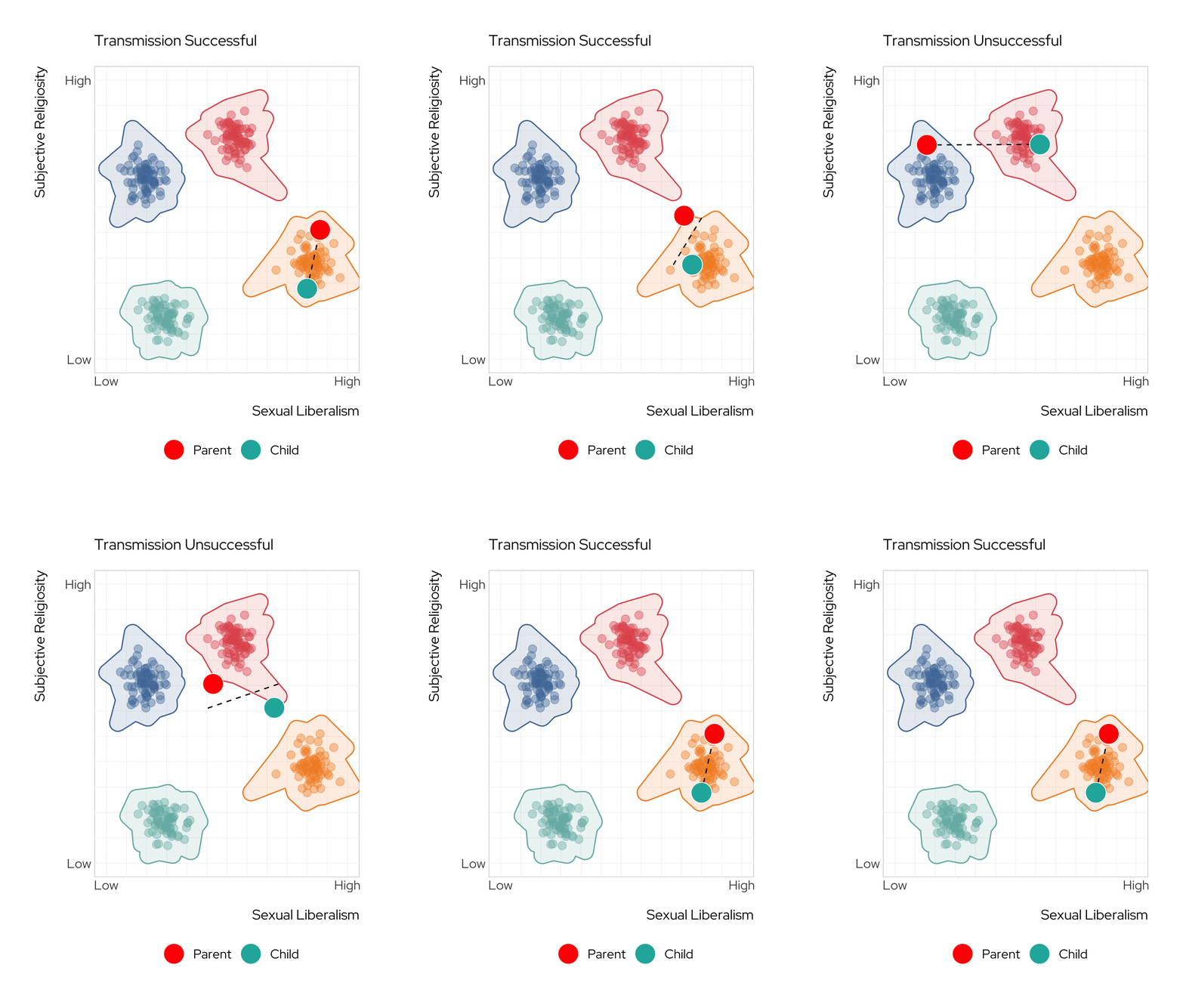
In groups of 2-3, discuss how the following
images are related to—
My main arguments or propositions.
My main findings.
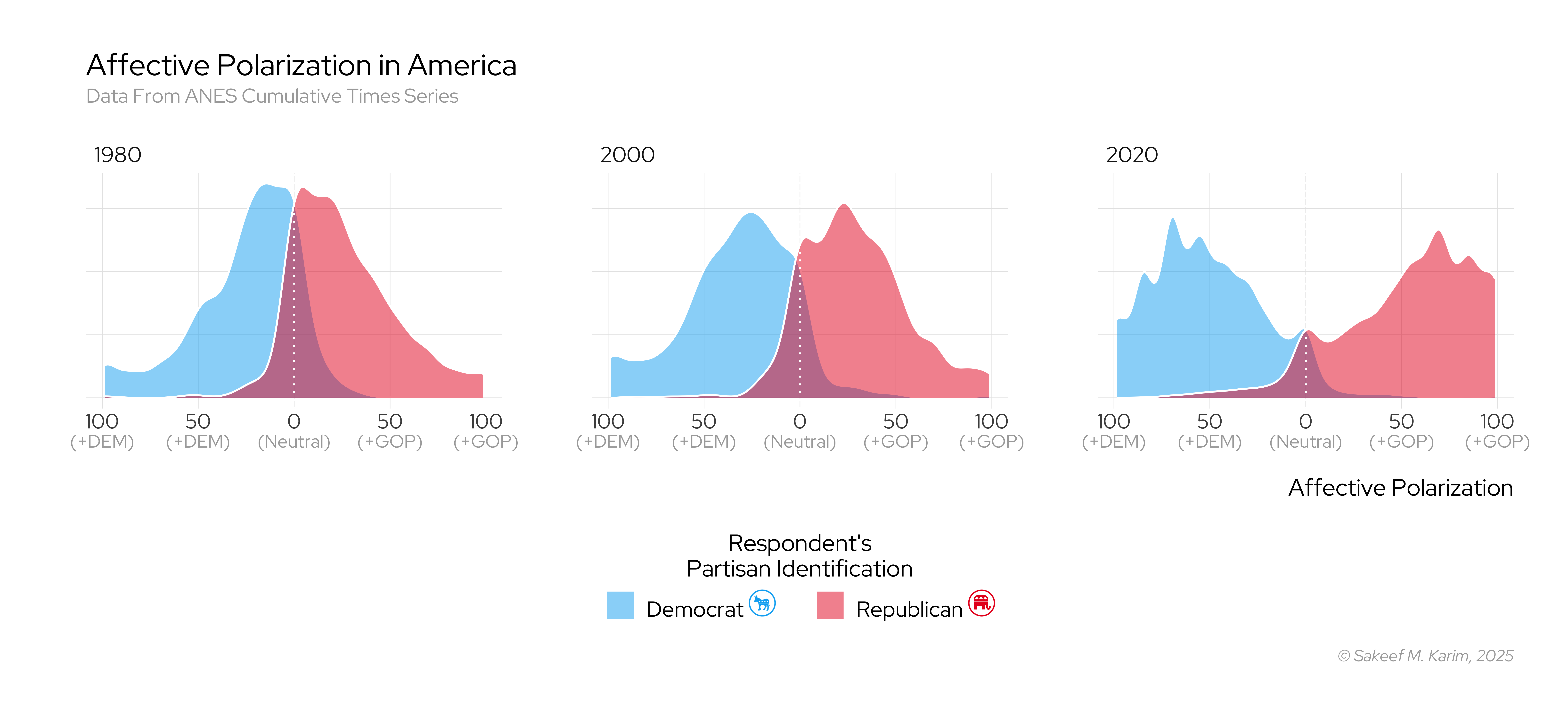
Democrats and Republicans both say that the other party’s members are hypocritical, selfish, and closed-minded, and they are unwilling to socialize across party lines, or even to partner with opponents in a variety of other activities. This phenomenon of animosity between the parties is known as affective polarization.
(Iyengar et al. 2019:130, EMPHASIS ADDED)
Okay, why is affective polarization on the rise?
Iyengar and colleagues (2019) point to a few possibilities—
Partisan Sorting
Shifting Media Environment
Elite Articulation via Political Campaigns
Network Effects
Is affective polarization epiphenomenal to
ideological polarization?
In the broader public, adherents of the two major political parties have become increasingly distinct, as Democrats have become more consistently liberal and Republicans more reliably conservative … However, although people have become better sorted by party and political ideology, public attitudes on most political issues seem to have remained unpolarized to a remarkable degree … Although knowing someone’s political party or self-described ideology allows us to predict their attitudes with increased accuracy, these attitudes themselves have not become much more strongly aligned with other attitudes, as we would expect in a world of mass polarization … Unlike the political elite, the broader public is composed of large numbers of “ideological innocents” … who espouse cross-cutting and often inconsistent beliefs across political issues.
(DellaPosta 2020:508, EMPHASIS ADDED)
Maybe affective and ideological polarization are unrelated?
Or maybe we’re not mapping the bigger picture.
If people are not necessarily polarized “on the issues,” then how is polarization taking root in American mass opinion?
In groups of 2-3, form an answer with reference to the following set of images:
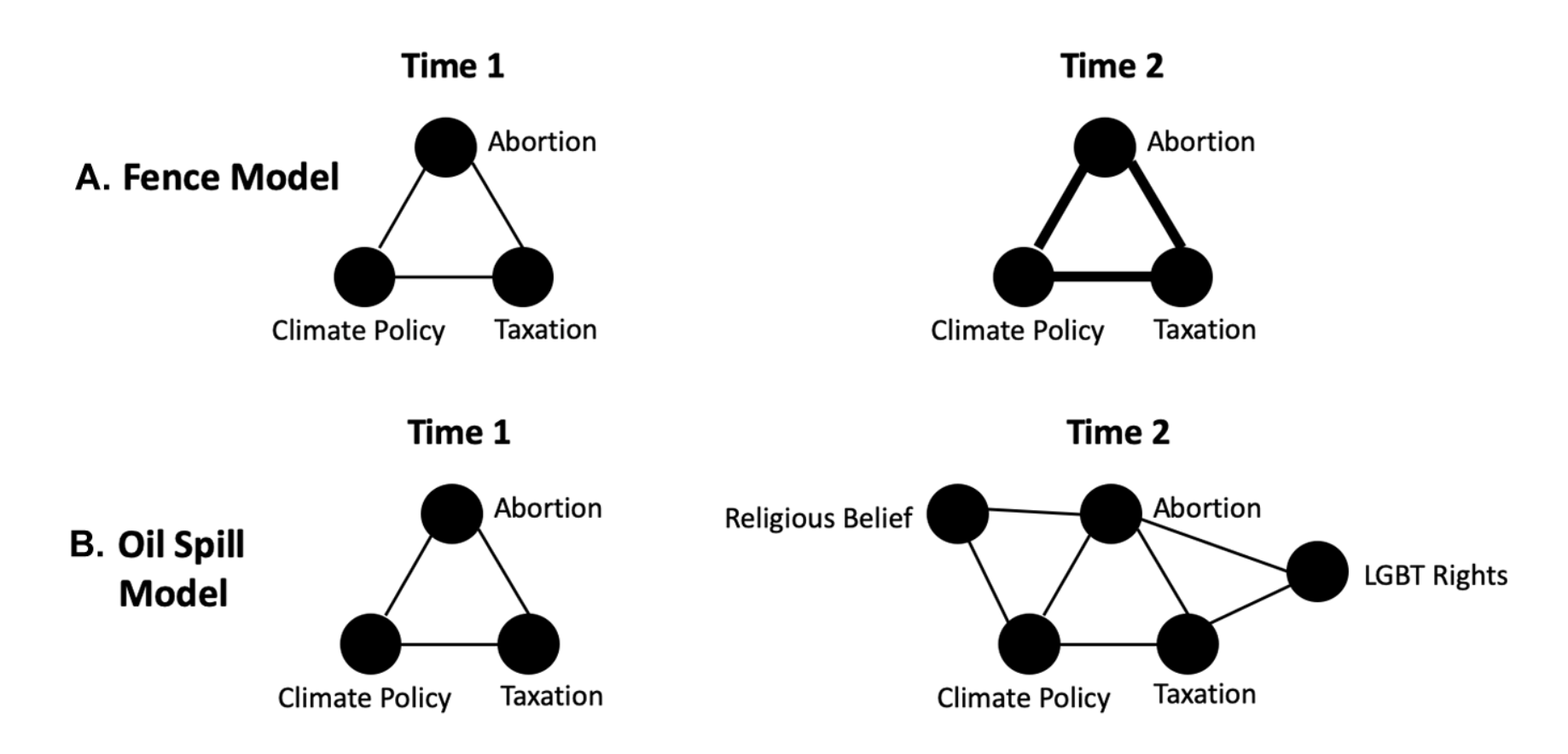
Figure 1 from DellaPosta (2020). Click image to expand
GSS Belief Network — 1972 (DellaPosta 2020)
GSS Belief Network — 2016 (DellaPosta 2020)
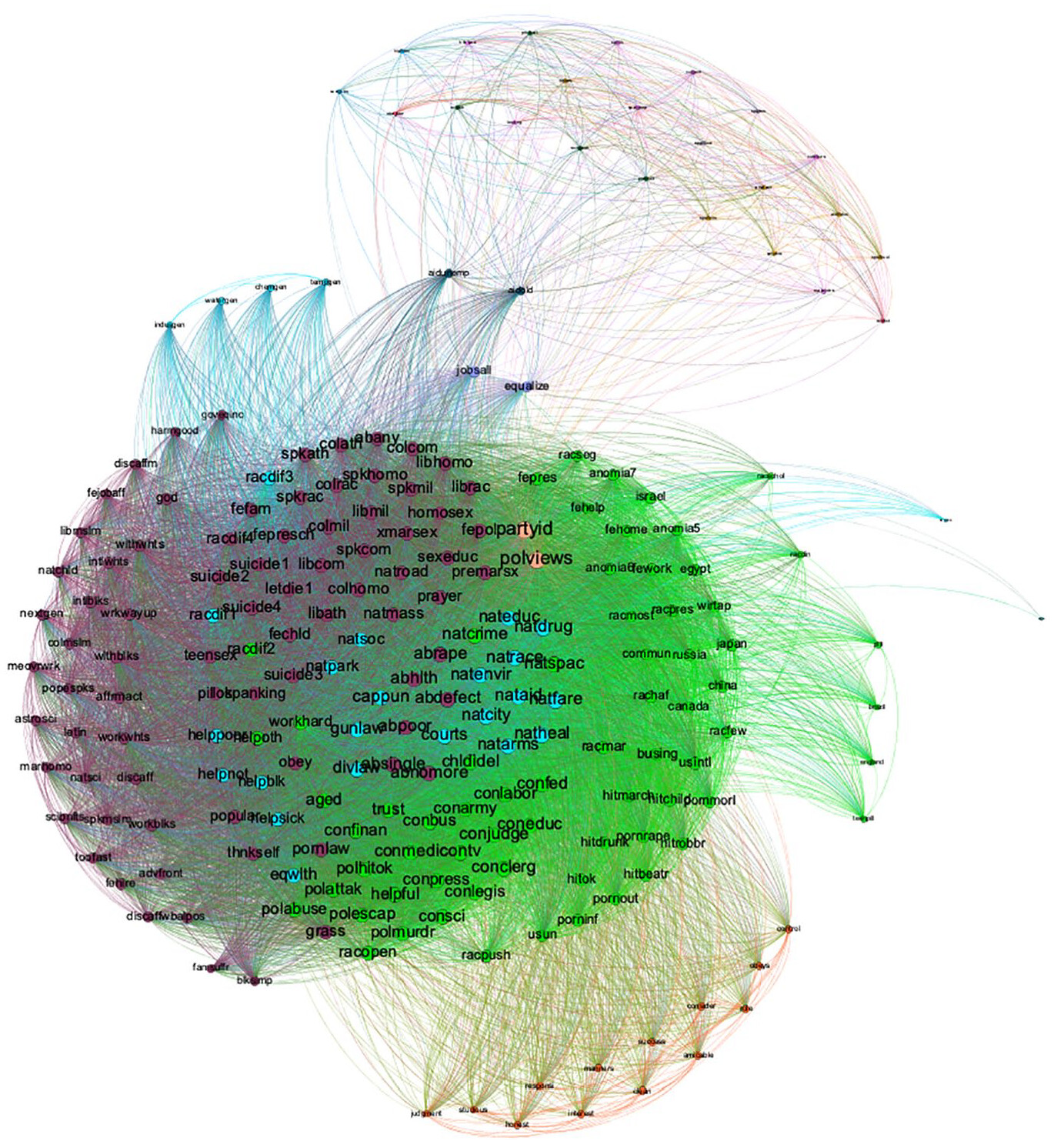
Figures 4 & 5 from DellaPosta (2020). Click images to expand
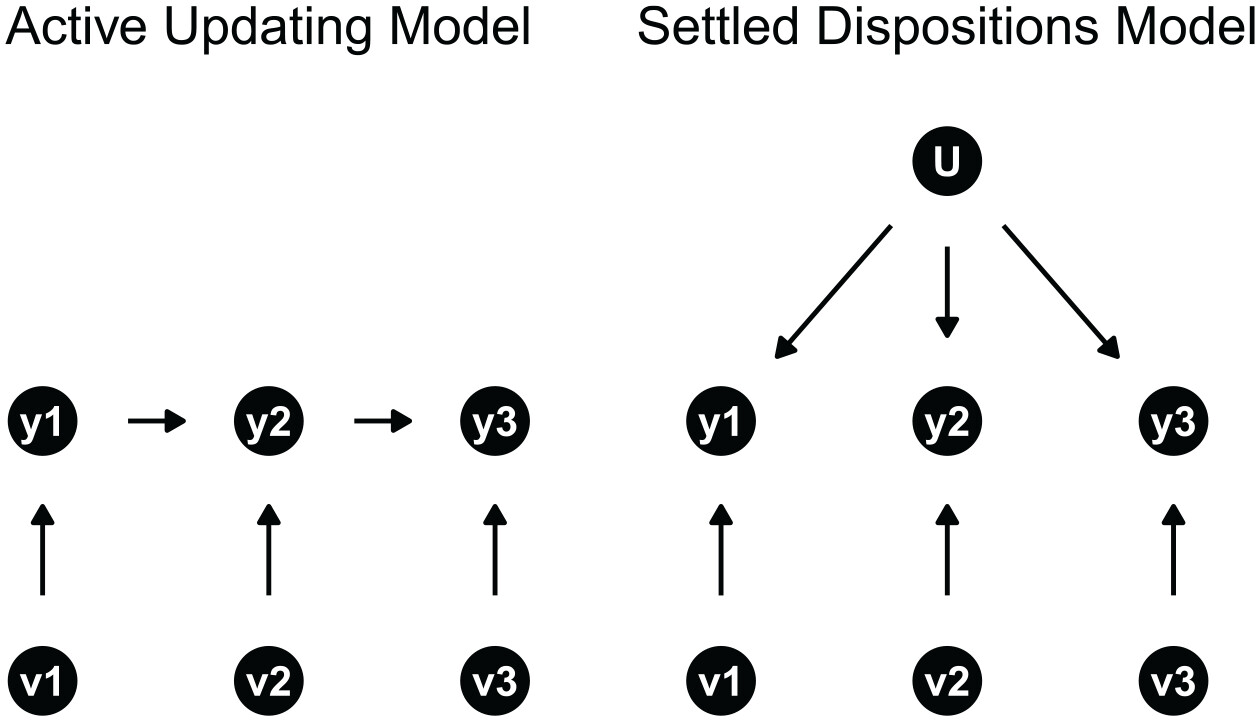
\begin{equation} y_{it} = y_{it-1} + \nu_{it} \end{equation}
\begin{equation} y_{it} = U_{i} + \nu_{it} \end{equation}
Equations 1 and 2 from Kiley and Vaisey (2020).
Figure 1 from Kiley and Vaisey (2020). Click image to expand
[W]e see a greater degree of evidence in support of the settled dispositions model. Around 40 percent of all items show no evidence for updating. For items that do show evidence of active updating, the overall rate of persisting change in the population is likely low … For a limited subset of items, there seems to be evidence that younger respondents are updating their views but older respondents are not. This is consistent with a “cohortization” model that views young respondents as susceptible to updating shocks and older respondents as relatively insensitive to such shocks.
(Kiley and Vaisey 2020:496, EMPHASIS ADDED)
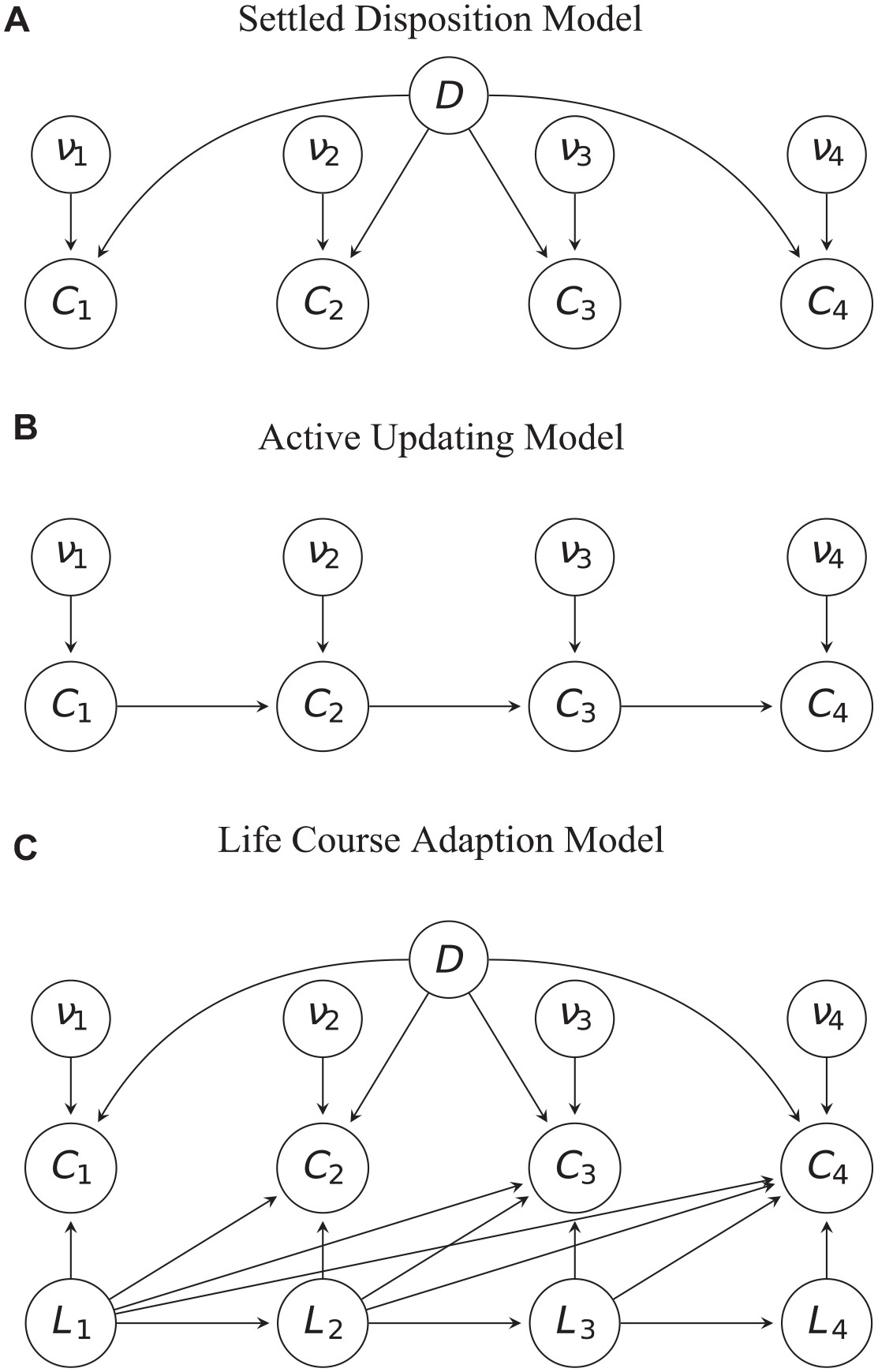
Lersch (2023) challenges these assumptions—i.e., the primacy of the SDM—by introducing the life course adaptation model (LCAM).
In groups of 2-3, discuss how he challenges Lersch’s (2023) assumptions—and the statistical evidence he furnishes to support his claims.
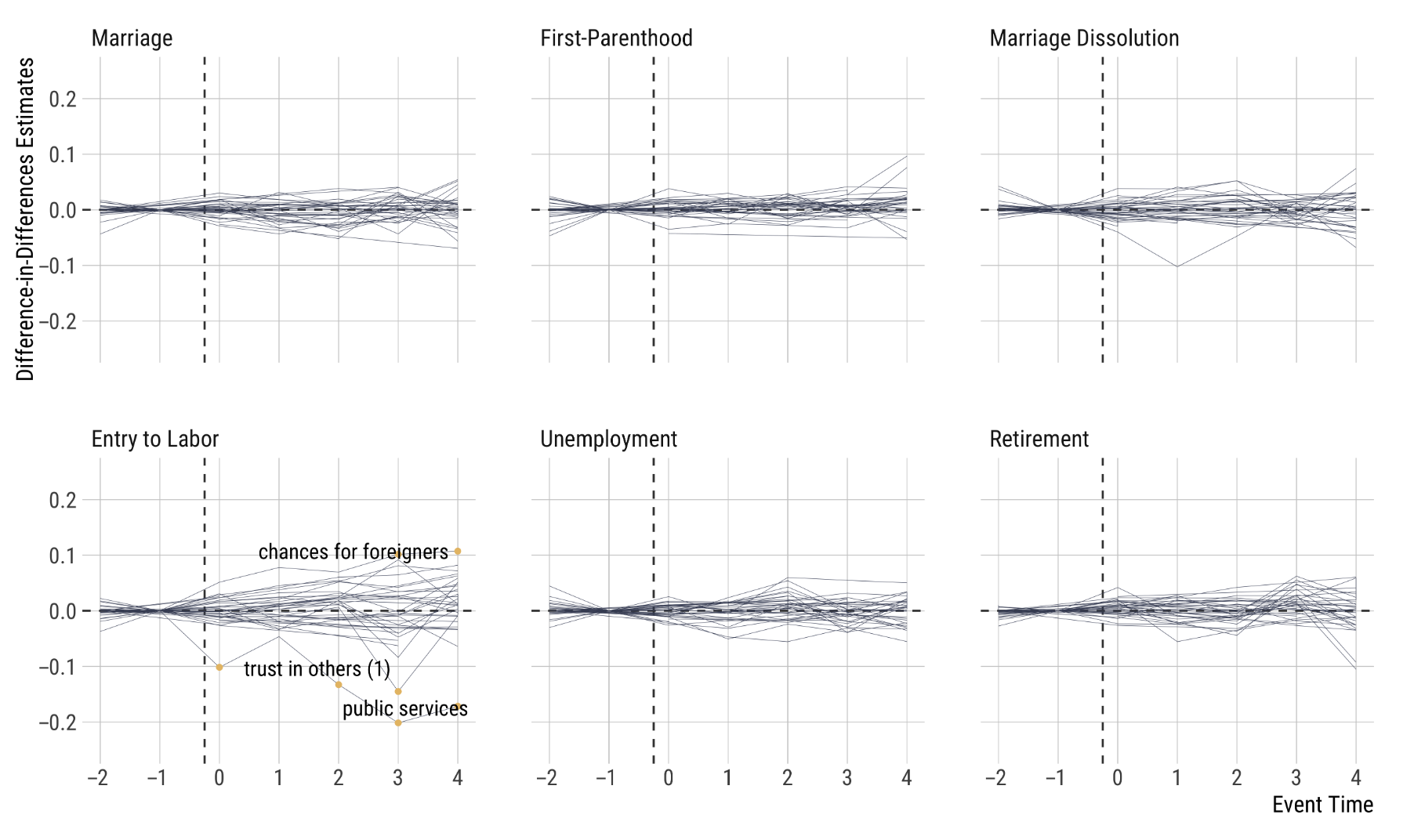
Figure 5 in Keskintürk (2024). Click image to expand

Module IIDownload RStudio by clicking here.
If you have extensive coding experience, you may want to check out Positron.
Sign up for GitHub by clicking here.
usethis
Note: Scroll to access the entire bibliography

Socialization, Transmission, Political Culture–
September 29th